
Oak processionary moth
The oak processionary moth
The oak processionary moth (Thaumetopoea processionea) is a native moth belonging to the family Thaumetopoeidae.
This species, which used to be found mainly in southern Germany and southern Europe, has spread significantly in recent years as a result of climate change.
The oak processionary moth has been recorded in Waldeck-Frankenberg since 2019, and the number of reported cases is rising steadily. The oak processionary moth is now found throughout the Waldeck-Frankenberg district on oak trees in woodlands and along roadsides, as well as in gardens and public green spaces.
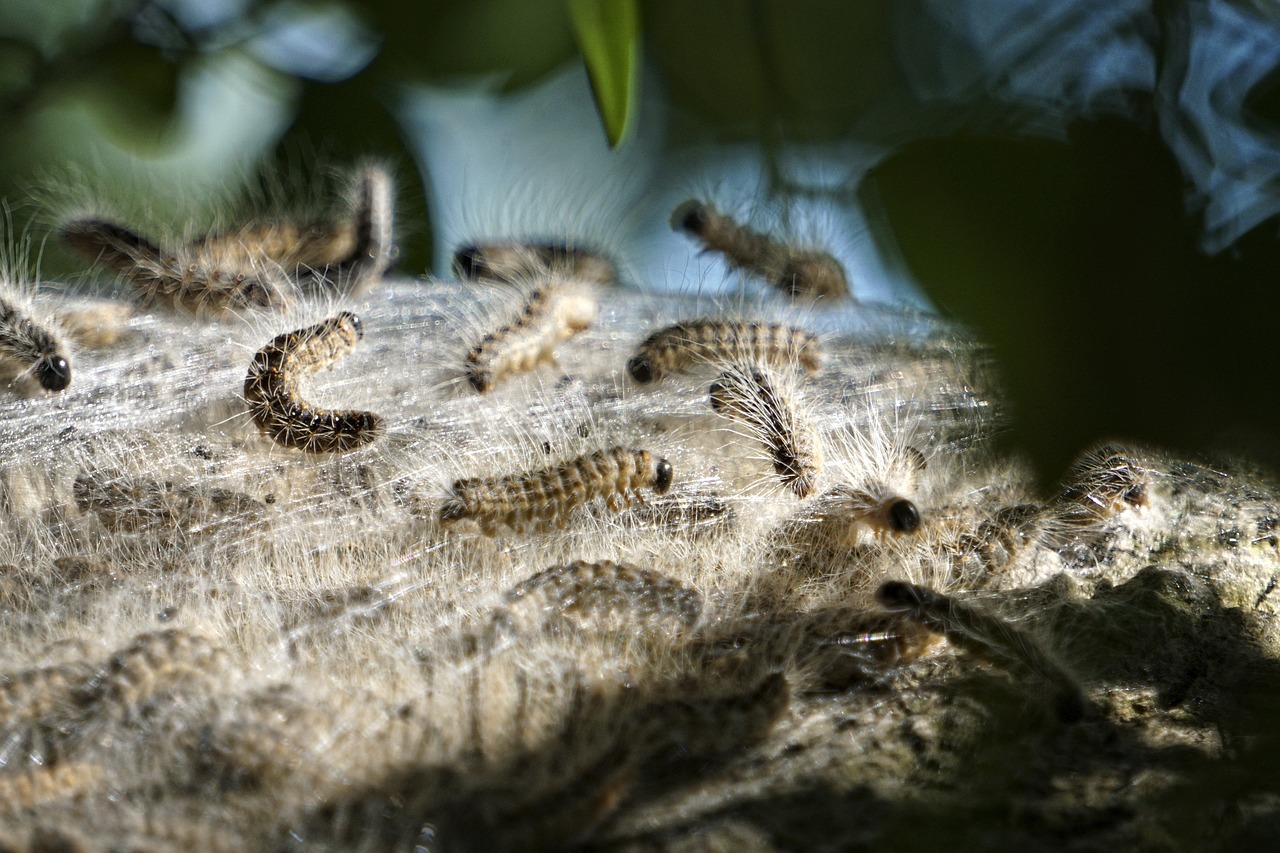
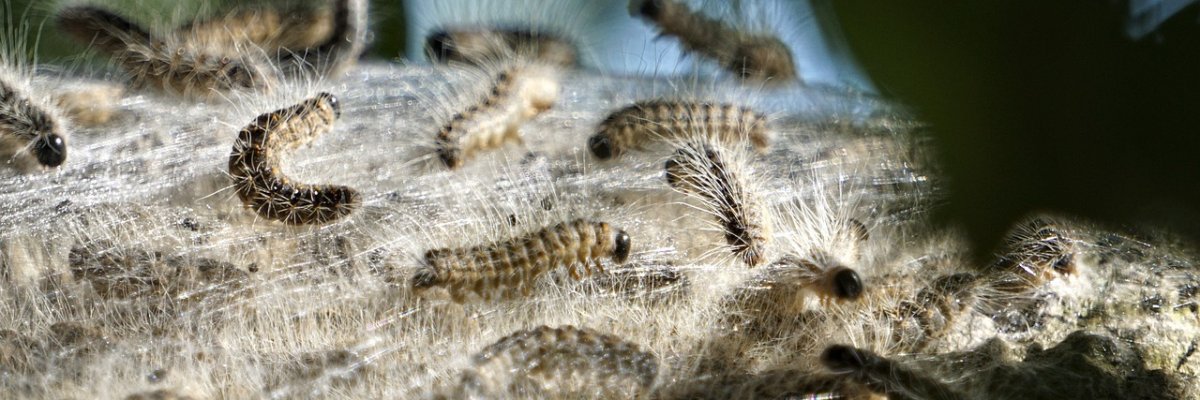
This species of moth is part of the native wildlife and fulfils ecological functions within it. For example, it serves as a food source for native bird species. The caterpillars of the oak processionary moth are known for moving in characteristic ‘processions’ on oak trees. They are particularly notorious for their dangerous stinging hairs, which pose health risks to both humans and animals.
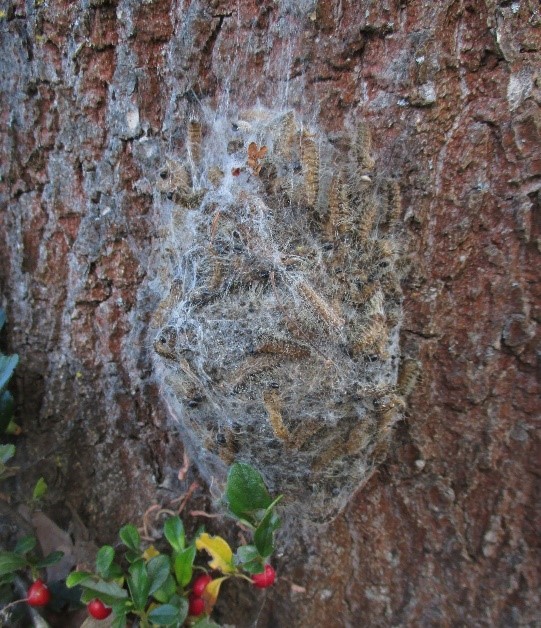
Contact with the caterpillars or their webs should be avoided. If you come into contact with the stinging hairs, it is recommended that you shower immediately and wash your clothes at 60 degrees to wash off the nettle venom. Observe possible reactions such as skin rashes, shortness of breath or eye inflammation and consult a doctor quickly if you experience severe symptoms. Pets should also be checked after walks, as the hairs can get stuck in their fur.
As a native species, control measures are only permitted if its presence significantly disrupts daily life and poses a potential health risk. Control of the oak processionary moth should be carried out exclusively by specialist firms . In particular, in high-risk areas (such as open spaces at schools and nurseries, playgrounds, parks and private gardens), the nests should be removed if it is not possible to ensure that people avoid the affected areas."